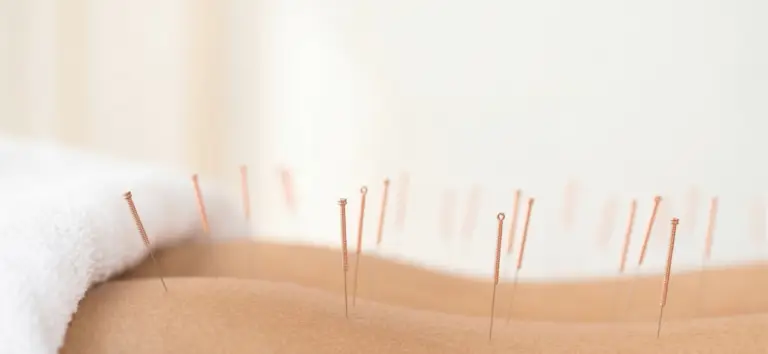
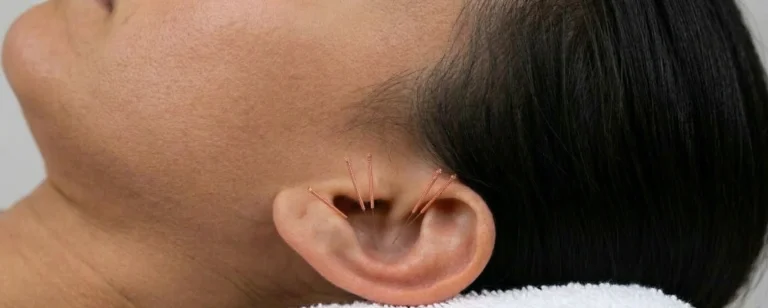
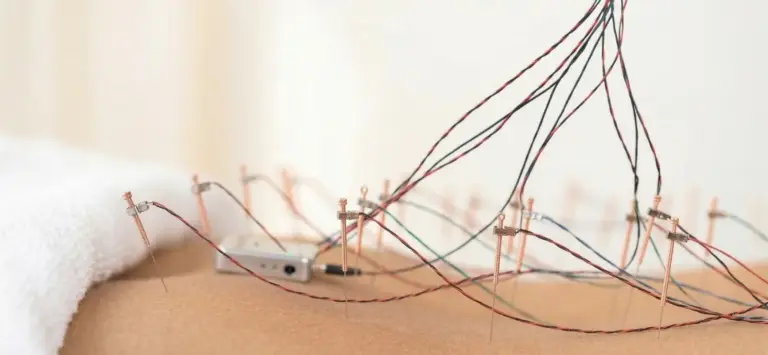
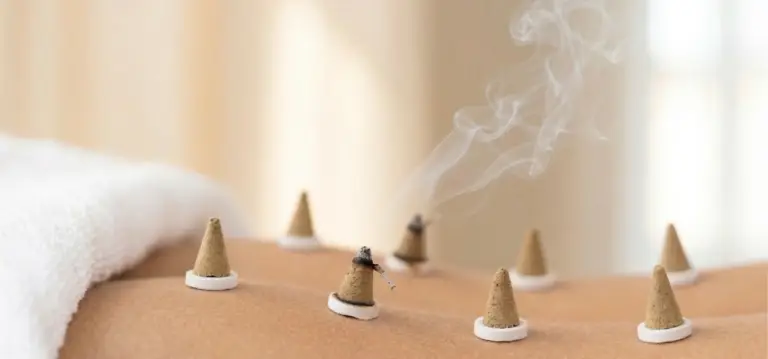
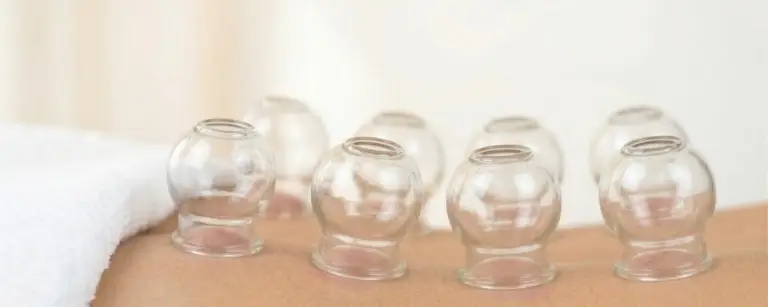
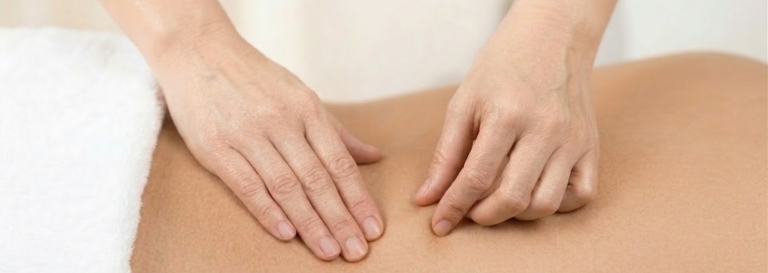
TCM Seerose is Xiaoyun Li's practice for Traditional Chinese Medicine (TCM) in Moosseedorf near Schönbühl. Whether acupuncture, moxibustion, cupping, Tuina or Gua Sha massage - I tailor the treatment to your individual needs for a balanced sense of well-being. A detailed diagnostic consultation takes place before each treatment.
Gentle scraping of the skin to release blockages and stimulate circulation
Q&A
Answers to frequently asked questions
What is Traditional Chinese Medicine (TCM)?
Traditional Chinese Medicine (TCM) is a healing system that is over 2000 years old and views the human being as a unity of body, mind and soul. The focus is on the harmonious flow of life energy, the so-called «Qi». According to this understanding, illnesses are caused by energetic imbalances or blockages. TCM aims to activate self-healing powers and restore inner balance (yin and yang) using various therapeutic methods.
Which TCM treatments do you offer?
The treatment consists of a combination of the following forms of therapy, each of which is individually tailored to the patient's issues according to the principles of Traditional Chinese Medicine:
Hormonal issues: Menstruationsbeschwerden, Wechseljahresbeschwerden, Hitzewallungen und Stimmungsschwankungen, unerfüllter Kinderwunsch
What does a TCM treatment cost?
A TCM treatment costs between 120 and 156 francs, depending on its duration and the services provided. I develop an individual treatment plan for each patient, combining several TCM methods. A treatment session typically lasts 50 to 60 minutes and is billed in detail.
Ear acupuncture, cupping, moxibustion, and treatment with plum blossom needles each cost 50 francs as individual treatments. This does not apply to body acupuncture.
Since I am accredited by the ErfahrungsMedizinisches Register (EMR), most supplementary insurance providers for complementary medicine cover part of the treatment costs. Please clarify in advance with your health insurance company whether and to what extent your insurance will reimburse the costs.
A treatment usually takes 50 to 60 minutes. The first consultation with anamnesis, pulse and tongue diagnosis can take up to 75 minutes.
How many treatments are necessary?
This depends on the issue in question: For acute problems, just a few treatments can often provide relief; for chronic conditions, the treatment process can take several weeks to months.
Is a TCM treatment painful?
No, TCM treatments are not usually painful. However, acupuncture can be uncomfortable for a short time. You will feel a small prick when the wafer-thin needles are inserted. Once the correct point has been reached, you will often feel a dull sensation, a slight tingling or warmth, the so-called «de qi feeling». This is a positive sign that the energy flow is beginning. Most patients find methods such as moxibustion or Tuina massage very soothing and relaxing.
What side effects can occur with acupuncture?
Acupuncture generally has no side effects. In rare cases, mild reactions may occur after treatment, such as slight redness at the puncture sites, slight pain, tiredness or a temporary worsening of symptoms. However, such side effects are usually harmless and disappear quickly.
What does a TCM treatment cost?
A treatment lasts approx. 50 to 60 minutes and is billed in detail. The cost is between 120 and 156 francs, depending on the service provided.
Since Xiaoyun Li is EMR-recognized practitioner most supplementary insurance policies for complementary medicine cover part of the treatment costs. It is best to clarify this with your supplementary insurance before treatment.
When does health insurance cover part of the costs?
If you have supplementary insurance for complementary medicine that recognizes the EMR quality label, the insurance will cover part of the treatment costs. A list of Insurance companies that accept the EMR quality labelyou will find here.
To be on the safe side, obtain a cost approval from your insurance company before treatment. This will also tell you how much of the costs will be covered by your insurance. The share is usually between 70 and 90 percent.
Will I receive an invoice or do I have to pay on site?
You can pay directly on site in cash or by card or by invoice. Once you have paid the invoice, TCM Seerose will send you a refund voucher which you can submit to your supplementary insurance for complementary medicine. The supplementary insurance will then reimburse part of the costs.
What is the difference between Western medicine and Traditional Chinese Medicine?
The main difference lies in the philosophy: Western medicine focuses on isolating and targeting specific pathogens or symptoms with standardized therapies that are often used reactively for acute problems.
Traditional Chinese Medicine (TCM) sees the body as a holistic system that is out of balance. Its aim is to restore harmony and the flow of energy (Qi) through individual, preventative approaches such as acupuncture, herbal medicine and nutrition to activate the body's self-healing powers.
What are the five elements in traditional Chinese medicine?
The five elements in Traditional Chinese Medicine (TCM) are wood, fire, earth, metal and water. They serve both in nature and in the human body as fundamental building blocks and dynamic phases that are in constant interaction with each other.
The five elements form the basis for understanding health and illness in TCM. Each element is associated with certain organs, emotions, tastes and seasons. A harmonious balance can be established with the help of the 5-element diet, acupuncture or qigong.
What does «Qi» mean in TCM?
In TCM and Chinese philosophy, Qi refers to a universal life force or life energy that flows through all living things and is crucial for health and well-being. Qi is pronounced as «chee» and is a central concept for understanding TCM.